
Politics
From Wong Kim Ark to the Present: Why the Supreme Court Refused to Rewrite the 14th Amendment
WASHINGTON — In a historic 6–3 decision in Trump v. Barbara, the United States Supreme Court struck down an executive order that sought to end birthright citizenship for children born on U.S. soil to parents who are in the country temporarily or without legal status.
The verdict stands as one of the most significant constitutional rulings of the 21st century. By soundly rejecting the executive branch's attempt to narrow the definition of citizenship, the High Court firmly preserved a core pillar of American national identity and placed a strict check on executive authority over immigration policy.
The Constitutional Core: The 14th Amendment
The heart of the legal dispute rested on the Citizenship Clause of the Fourteenth Amendment, ratified in 1868, which states:
“All persons born or naturalized in the United States, and subject to the jurisdiction thereof, are citizens of the United States and of the State wherein they reside.”
The Trump administration argued that the phrase “subject to the jurisdiction thereof” required a deeper political allegiance to the country, meaning it should not apply to the children of foreign tourists or undocumented individuals.
However, writing for the majority, Chief Justice John Roberts resoundingly brushed aside this interpretation, clarifying that the clause extends a fundamental promise to almost anyone born within the physical borders of the nation.
“Citizenship, then and now, was the right to have rights — to freely participate in our political community,” Chief Justice Roberts wrote. “The Framers of the Fourteenth Amendment extended that promise to 'every free-born person in this land'. We keep that promise today.”
The Bedrock Precedent: United States v. Wong Kim Ark (1898)
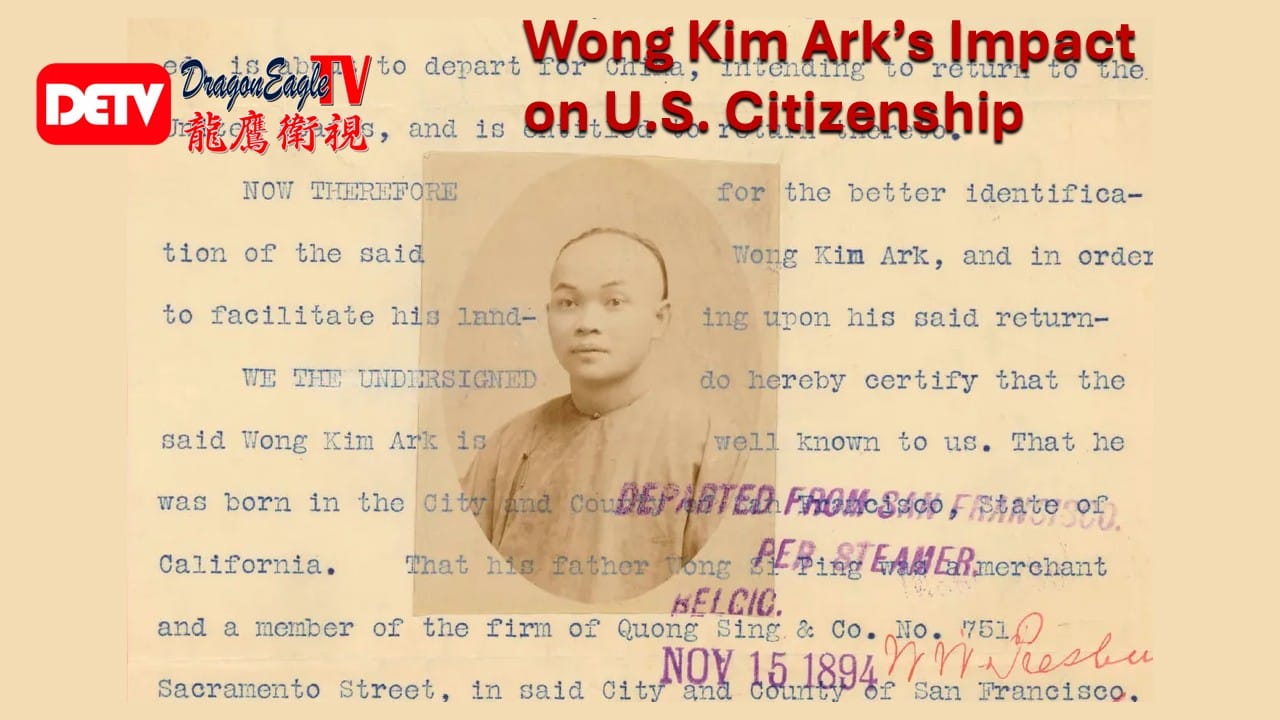
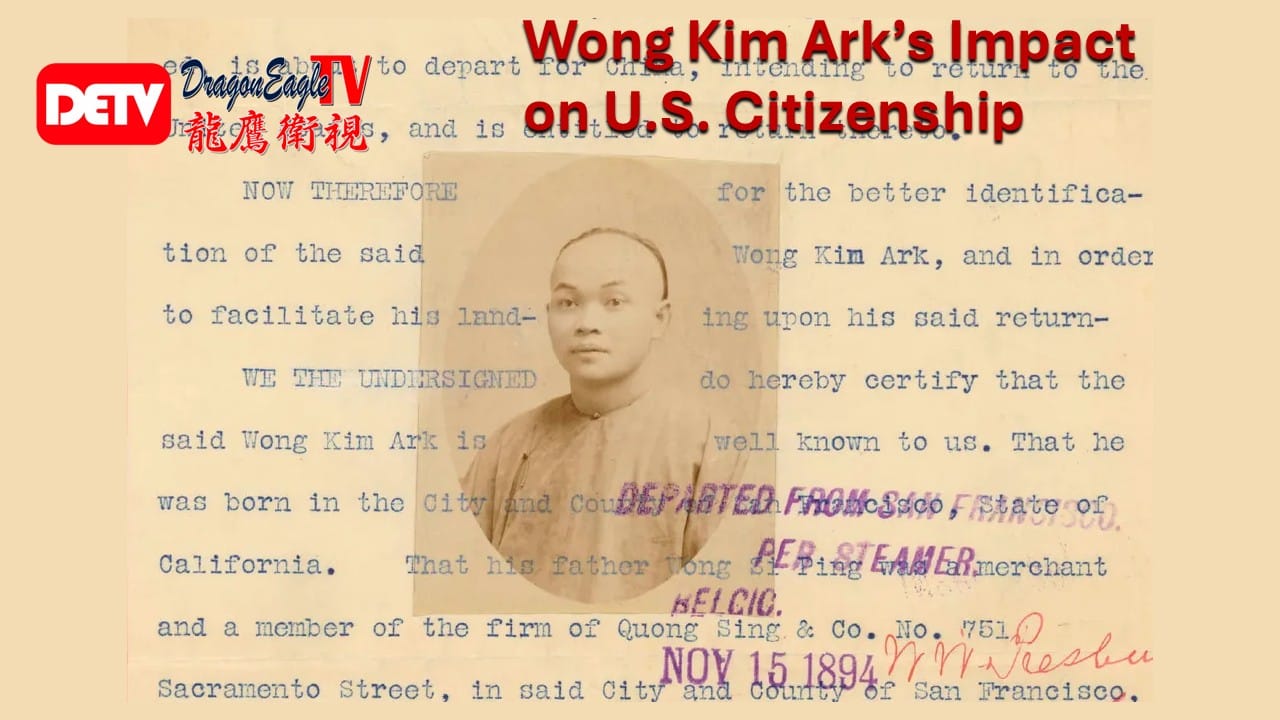
The ultimate undoing of the executive order was a century-old legal foundation: the 1898 landmark case United States v. Wong Kim Ark.
Wong Kim Ark was born in San Francisco in 1873 to parents who were citizens of China but legally residing in the U.S. After a temporary trip abroad, he was denied re-entry into the United States on the grounds that he was not a citizen under the Chinese Exclusion Act.
The Supreme Court ruled in his favor, establishing that the Fourteenth Amendment must be interpreted under English common law traditions of jus soli ("right of the soil"). The 1898 Court held that a child born on U.S. soil automatically becomes a U.S. citizen at birth, regardless of their parents' nationality, with very narrow exceptions (such as the children of foreign diplomats or invading foreign armies).
Chief Justice Roberts highlighted that the 14th Amendment was explicitly designed to erase the discriminatory legacy of the Dred Scott decision, cementing equal, universal belonging based on birth rather than bloodline.
Why the Court Refused a Rewrite
The ripple effects of this decision span legal, social, and political landscapes, reaffirming boundaries that the executive branch attempted to blur:
- Reaffirmation of Executive Limits: The ruling makes it undeniably clear that a president cannot change or overwrite constitutional guarantees by executive decree. The Court affirmed that rewriting the Constitution belongs solely to Congress and the states via the amendment process.
- Protection for Mixed-Status Families: For millions of families nationwide, the ruling dissolves an atmosphere of fear and uncertainty. It ensures that children born in the U.S. retain seamless access to passports, public education, healthcare, and full rights as citizens.
- Preventing a Legal Subclass: Civil rights advocates celebrated the verdict, noting that allowing the executive order to stand would have created a tiered society — a permanent subclass of people born and raised on American soil but denied the basic rights of citizenship.
- A Fractured Conservative Bench: While the decision marks a severe defeat for the administration's immigration agenda, it also revealed fascinating ideological fractures. Conservative Justices Brett Kavanaugh and Amy Coney Barrett aligned with the majority outcome (with Kavanaugh focusing on the order violating federal statutes). Meanwhile, Justices Clarence Thomas, Samuel Alito, and Neil Gorsuch dissented, signaling that the debate surrounding the original intent of the 14th Amendment remains an active battleground among originalist legal scholars.
By reinforcing Wong Kim Ark, the Supreme Court ensured that the "right of the soil" remains the undisputed, un-rewritable law of the land.
💡
Interview with Congressman Jonathan Jackson