
AAPI
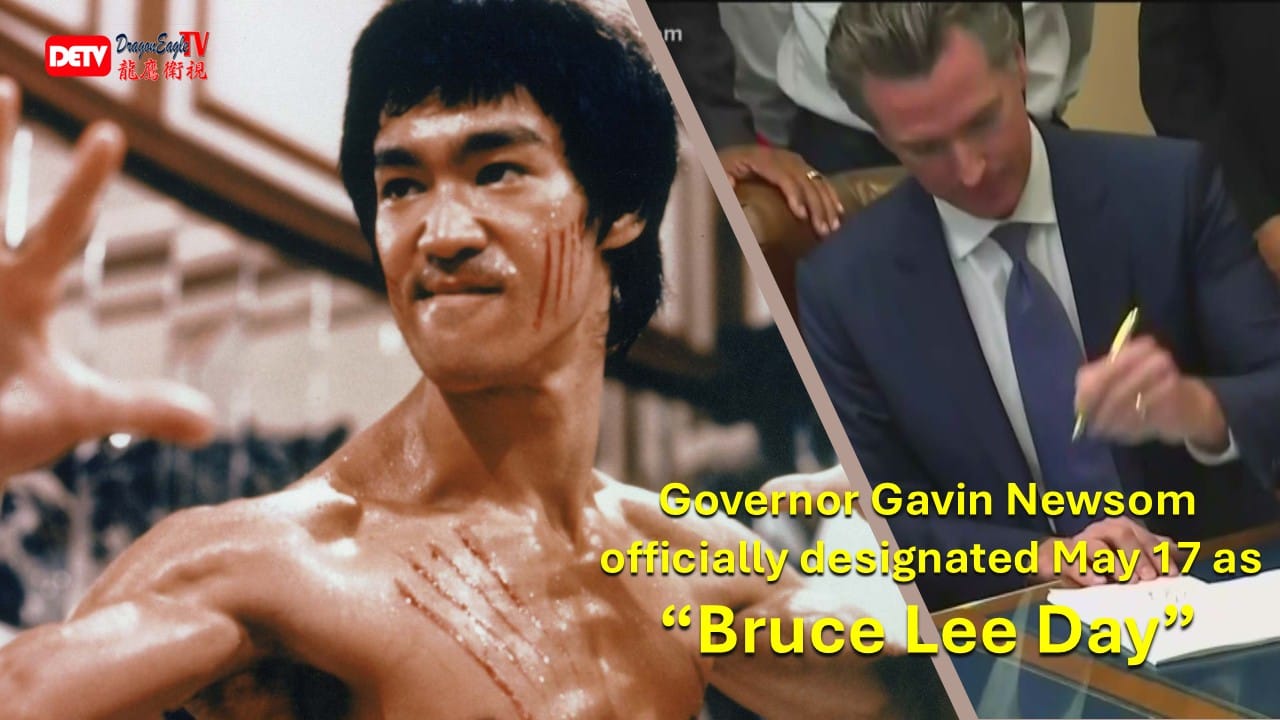
Breaking Barriers Posthumously: Bruce Lee Becomes First Chinese American with a California State Day
In a historic milestone for representation, California Governor Gavin Newsom signed a law officially designating May 17 as Bruce Lee Day. This annual namesake day marks the first time in California's history that a Chinese American has been honored with a dedicated state day.
Introduced by state Assemblymember Matt Haney, who represents San Francisco, the bill honors the global martial arts icon, actor, and philosopher in his birth city and home state. The chosen date, May 17, commemorates the day an 18-year-old Bruce Lee returned to San Francisco in 1959 after spending his childhood years in Hong Kong.
The Bruce Lee Foundation, led by his daughter Shannon Lee, alongside various Asian American organizations, plans to mark the day annually with voluntary commemorative activities, including cultural exhibitions, public celebrations, and classroom lessons across California.
Significance to the Chinese American Community
For Chinese Americans and the broader Asian American and Pacific Islander (AAPI) community, the declaration carries immense cultural and historical weight.
- Reclaiming Representation: In the 1960s and 70s, Hollywood systematically marginalized Asian actors, restricting them to racist, subservient, or villainous stereotypes. Bruce Lee famously fought against this system, refusing to play demeaning roles even when it meant being paid less than his white counterparts.
- A Symbol of Strength and Dignity: State Assemblymember Matt Haney noted that at a time when Asian Americans were largely absent or caricatured on screen, "Bruce Lee helped generations see themselves represented with strength and dignity."
- Validation of Belonging: As the first Chinese American to receive a designated day in California—a state with a deep, complex history of Chinese migration, labor, and systemic discrimination (such as the Chinese Exclusion Act)—this law is a profound institutional acknowledgment of Chinese American contributions to the state’s cultural fabric.
Significance to the Nation
On a national level, Bruce Lee Day serves as a reminder of how cultural icons can shape American identity and transcend traditional boundaries.
- The Ultimate Bridge Between Cultures: Born in San Francisco, raised in Hong Kong, and educated in philosophy at the University of Washington, Lee was uniquely positioned as an intercultural bridge. His philosophy of fluid cross-cultural exchange ("Be water, my friend") reshaped how mainstream America viewed Asian culture, martial arts, and Eastern philosophy.
- Redefining the American Hero: Lee shattered Western notions of masculinity and heroism. He became a global megastar through hits like The Big Boss and Fist of Fury, proving that a non-white lead could hold massive box-office power. His legacy cleared the path for future generations of minority creators, filmmakers, and martial artists across the United States.
- Enduring Modern Impact: Over 50 years after his tragic death in 1973, Lee's teachings on discipline and inner strength continue to inspire modern American sports, fitness culture, and mainstream media—evidenced by recent popular works like the television series Warrior, which was based on Lee’s own original writings.
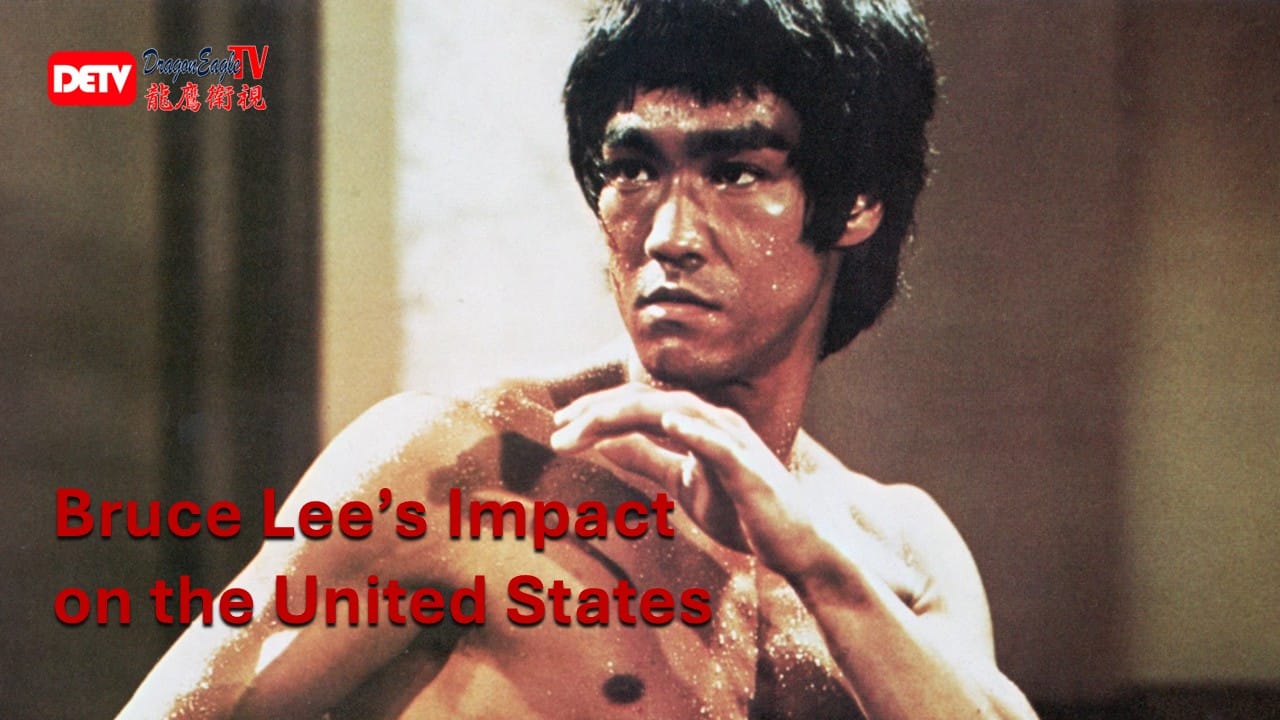
Bruce Lee’s Impact on the United States
Bruce Lee's influence on the United States extends far beyond martial arts. He transformed American popular culture, challenged racial stereotypes, inspired generations of athletes and artists, and became a lasting symbol of confidence, resilience, and cultural pride.
1. Bringing Martial Arts into the Mainstream
Before Bruce Lee, martial arts were largely a niche interest in the United States. His groundbreaking films—especially Enter the Dragon—introduced millions of Americans to kung fu, captivating audiences with lightning-fast techniques, acrobatic kicks, and the iconic nunchaku. His martial arts philosophy, Jeet Kune Do ("The Way of the Intercepting Fist"), emphasized adaptability, efficiency, and personal expression rather than rigid tradition. These principles profoundly influenced modern martial arts training and helped shape today's mixed martial arts (MMA).
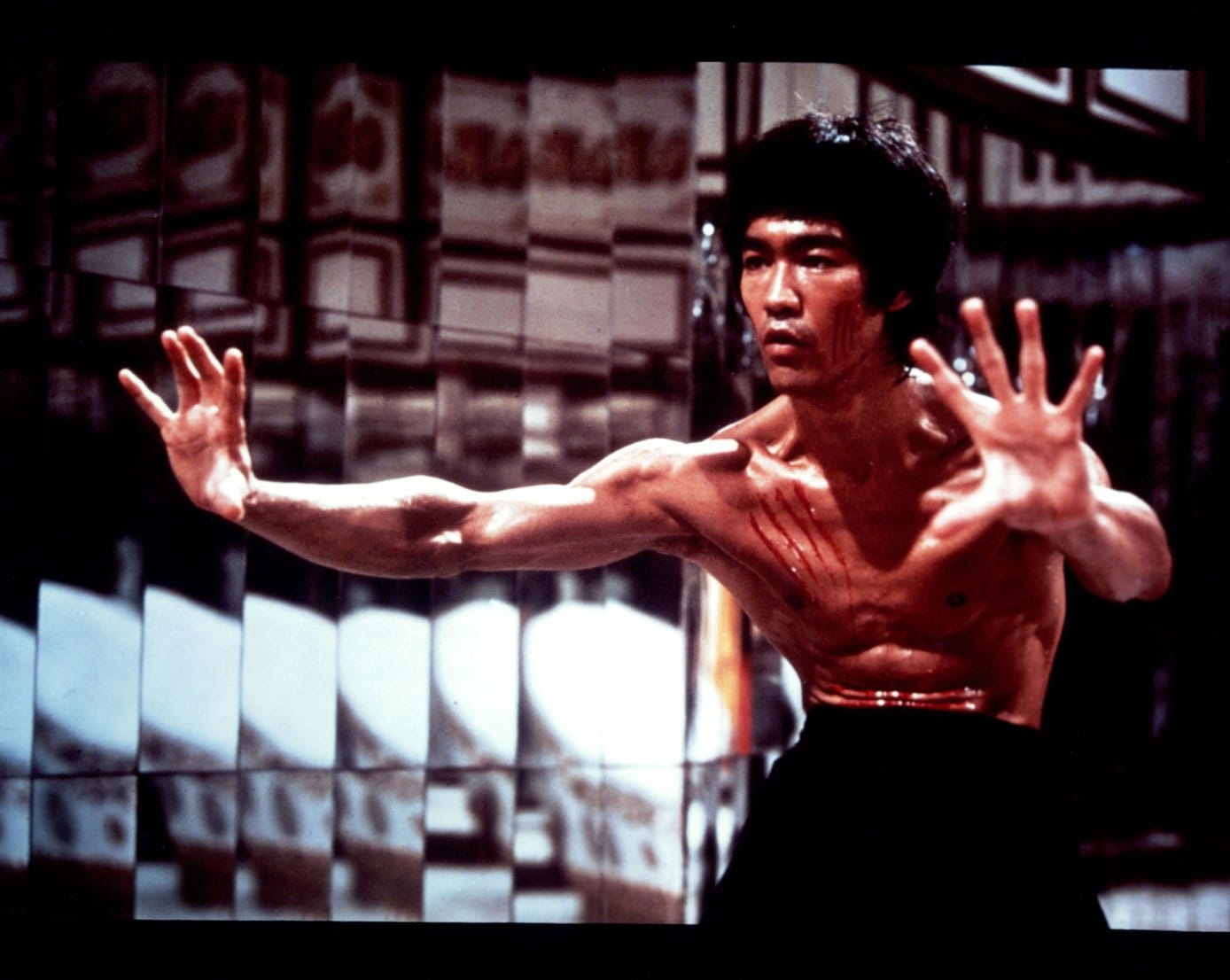
2. Breaking Barriers in Hollywood
During the 1960s and early 1970s, Asian characters in American films were often portrayed through harmful stereotypes or even played by non-Asian actors. Bruce Lee shattered these barriers by becoming the first Asian international action superstar to headline major films. His charisma, athleticism, and screen presence demonstrated that Asian men could be powerful, confident, and compelling leading heroes. His groundbreaking success opened doors for future generations of actors, including Jackie Chan, Jet Li, Donnie Yen, and Simu Liu.
3. Building a Cultural Bridge Between East and West
Bruce Lee helped forge a new partnership between Hollywood and Hong Kong cinema. Through the historic collaboration behind Enter the Dragon, he introduced global audiences to authentic Asian settings, storytelling, and martial arts traditions. His work marked a turning point in cross-cultural filmmaking, replacing outdated portrayals of Asia with richer, more authentic representation and laying the foundation for future international film collaborations.
4. Inspiring Asian American Identity
Bruce Lee's rise coincided with the emergence of the Asian American civil rights movement in the late 1960s and early 1970s. At a time when Asian Americans sought greater visibility and equality, Lee became a powerful symbol of pride, strength, and perseverance. His famous philosophy to "Be water, my friend" encouraged resilience, flexibility, and the ability to overcome obstacles. For many Asian Americans and immigrant communities, he represented the possibility of breaking barriers while embracing both Eastern heritage and American identity.
5. Promoting Personal Growth and Philosophy
Bruce Lee believed that martial arts were as much about character as physical ability. He championed lifelong learning, self-discipline, self-awareness, and continuous improvement. His writings on personal development, mindfulness, and adaptability continue to inspire entrepreneurs, athletes, educators, military personnel, and individuals striving for excellence in every field.
6. An Enduring Cultural Icon
More than fifty years after his passing, Bruce Lee remains one of the most recognizable figures in global popular culture. His influence can be seen across films, television, music, sports, fashion, comic books, and video games. His philosophy, image, and unmistakable style continue to inspire new generations around the world, making him not only a martial arts legend but also a timeless cultural ambassador.
Legacy
Bruce Lee forever changed the American cultural landscape. He transformed martial arts from a niche pursuit into a mainstream phenomenon, revolutionized the portrayal of Asians in Hollywood, strengthened cross-cultural understanding between East and West, and inspired generations to pursue excellence with confidence, discipline, and authenticity. His legacy continues to remind us that courage, determination, and cultural understanding can transcend boundaries and unite people across the world.