
top
Watch: Highlights of the Commemoration
Highlights of the Commemoration
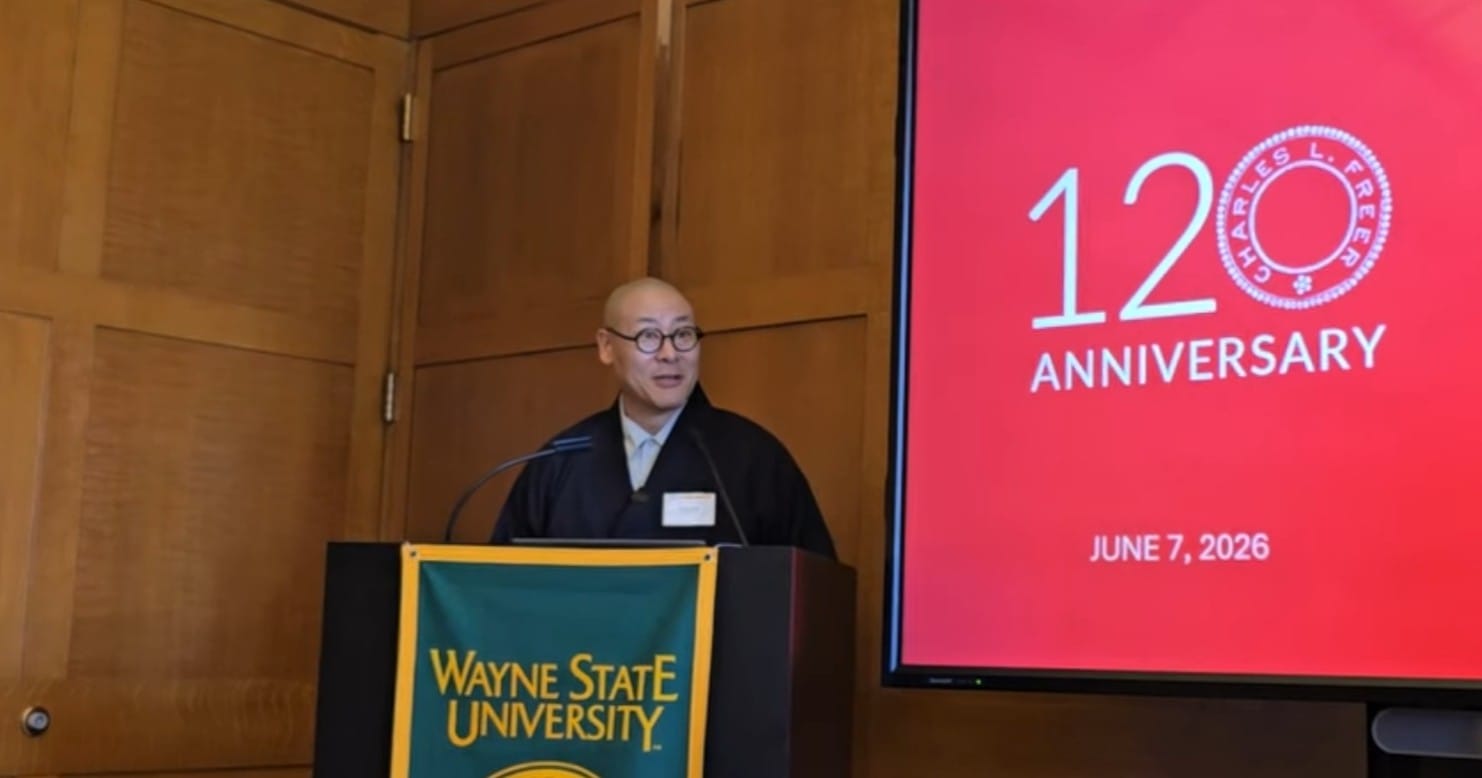
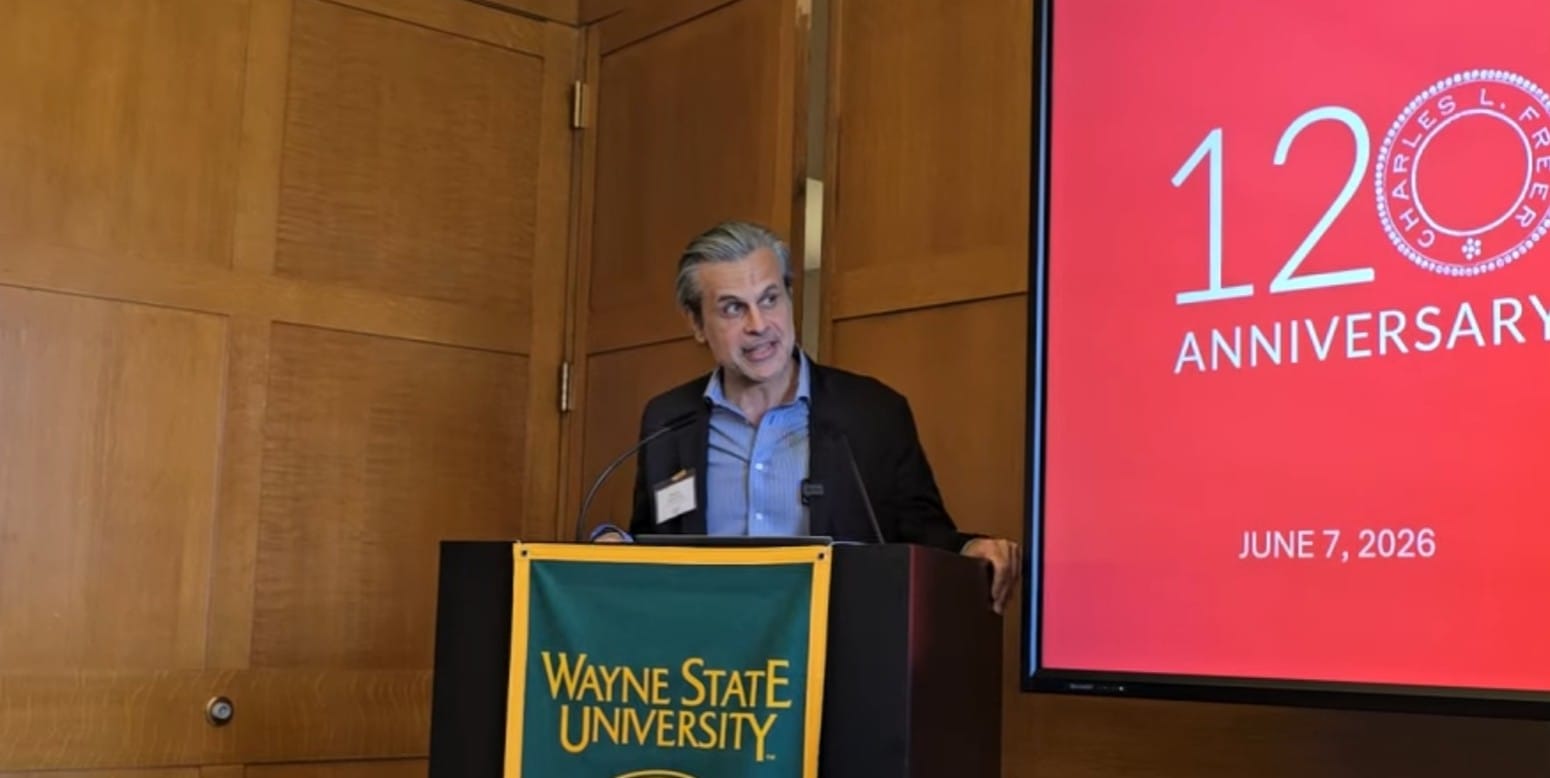
DETROIT, June 7, 2026 — Today, Wayne State University and the Detroit Institute of Arts gathered at the historic Freer House and DIA to commemorate the 120th anniversary of Charles Lang Freer’s monumental gift to the United States. While Freer is widely celebrated as the first American to bequeath a private art collection to the nation, the anniversary also sheds light on a more profound, often overlooked aspect of his legacy: his deep affinity for the East and his quiet but firm opposition to the era’s systemic xenophobia.
A Visionary Gift: From Detroit to the National Mall
Charles Lang Freer, a Detroit railroad industrialist who rose from humble origins, fundamentally changed the American cultural landscape in 1906. By donating over 9,000 objects and the funds to build the Freer Gallery of Art in Washington, D.C., he established the bedrock of what is now the Smithsonian’s National Museum of Asian Art.
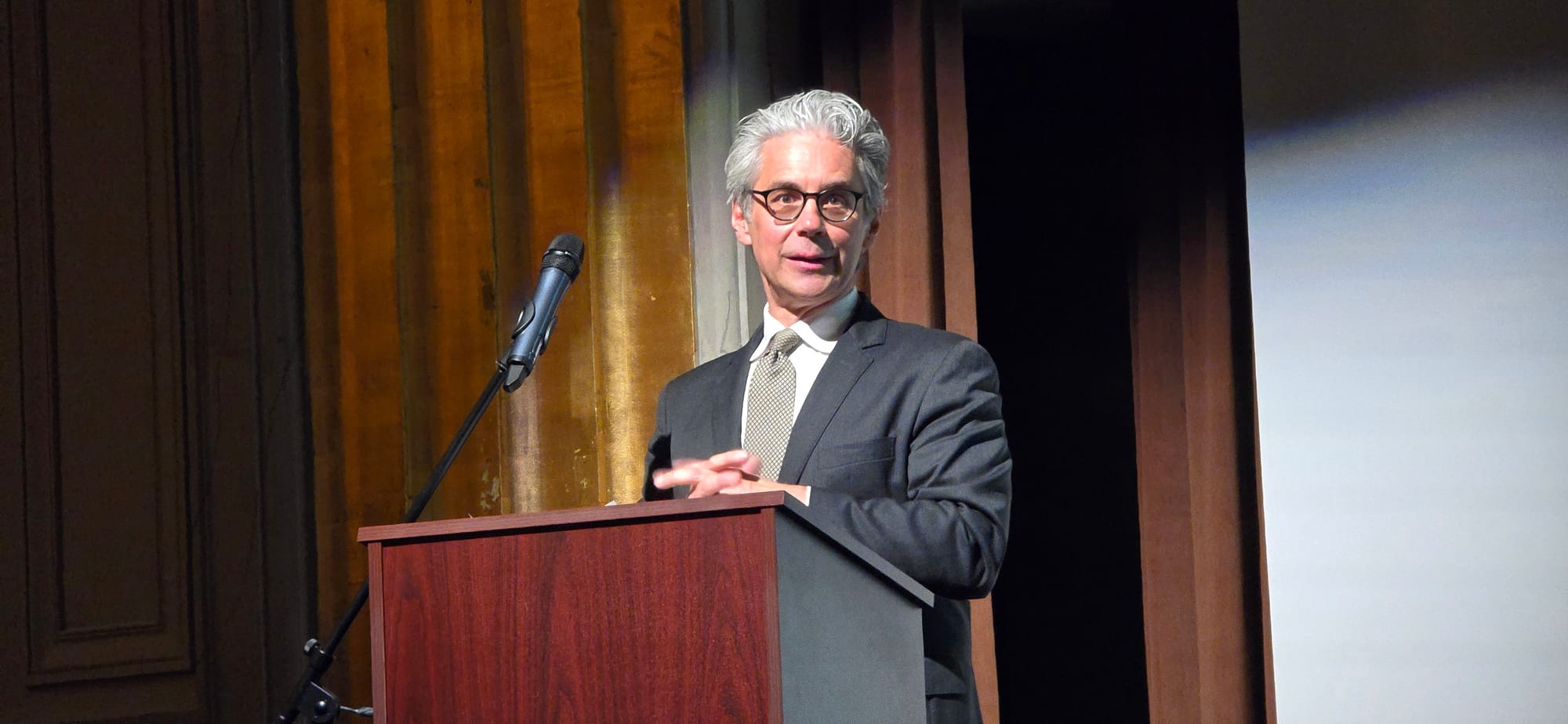
Dr. Chase Robinson, Director of the National Museum of Asian Art, noted during the keynote lecture:
"Freer did not just donate objects; he donated a vision. He believed that the aesthetic beauty of the East and West were harmoniously linked, a radical idea in an age of isolationism."
Significance of the Event
The lecture by Director of the Smithsonian’s National Museum of Asian Art, Dr. Chase Robinson, titled “Detroit and Charles Lang Freer’s Vision for a National Museum,” explored:
- Freer’s rise from humble beginnings in Kingston, New York, to building a fortune in Detroit’s railroad industry
- His transformation into one of the Gilded Age’s most influential art collectors, amassing a vast collection of Asian, American, and Middle Eastern art
- His decision in 1906 to donate his collection to the Smithsonian, making him the first American to bequeath his private collection to the United States
- The construction of the Freer Gallery of Art (now the National Museum of Asian Art) on the National Mall, designed to house his collection.
- Detroit’s role in establishing America’s first national art museum and the cultural legacy of the Freer House, a shingle-style architectural masterpiece on East Ferry Street.
About Charles Lang Freer
Born in 1854, Freer retired in 1900 at age 45 and dedicated the next decade to collecting and philanthropy. His gift not only created a public museum but also set a precedent for future art bequests to the nation.
Freer House & Cultural Legacy
The Freer House, built in 1892, was both his residence and a prototype for the Freer Gallery’s design. It remains a multicultural landmark in Detroit, reflecting the city’s diverse history and Freer’s vision for art as a unifying cultural force.
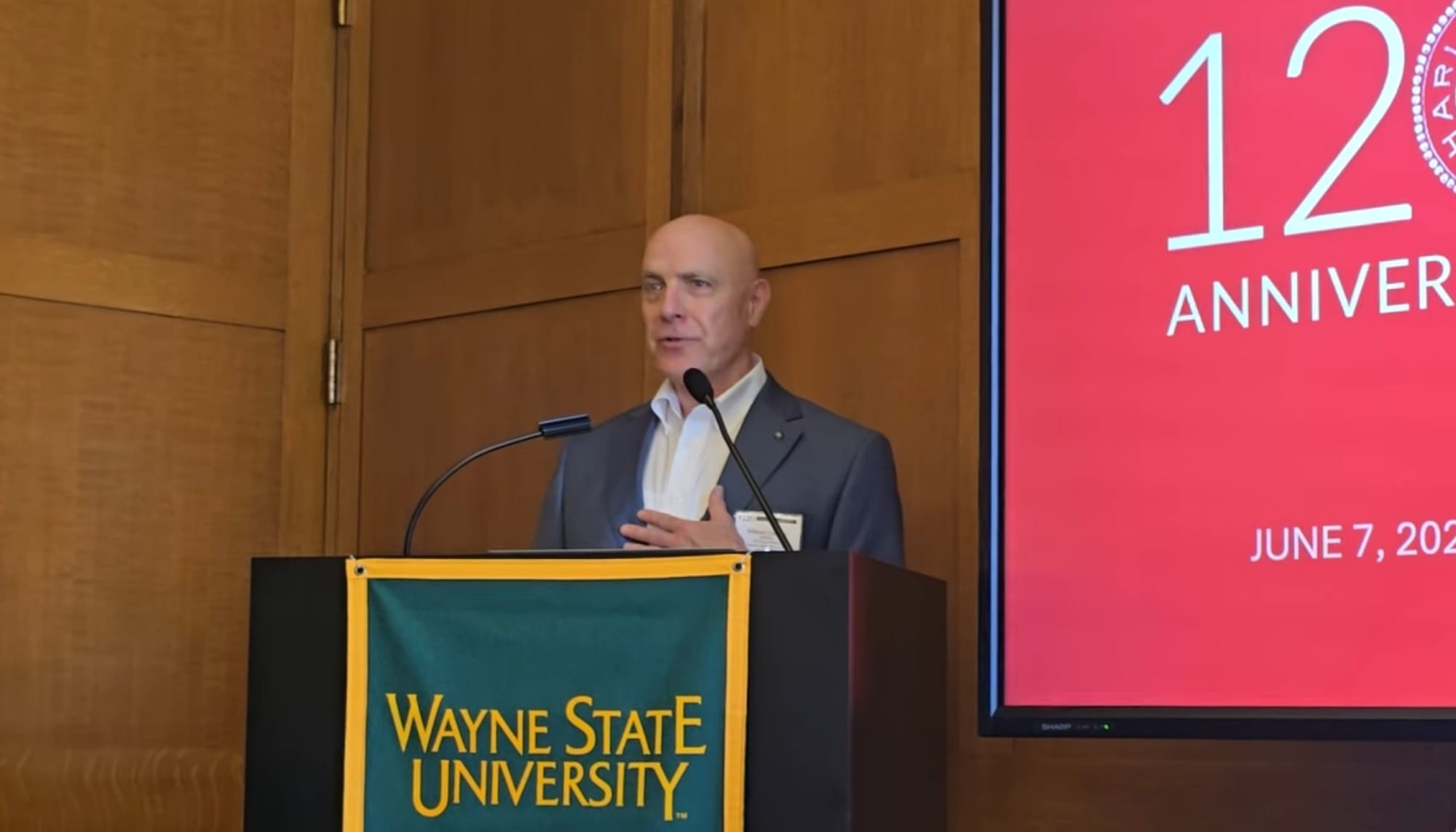
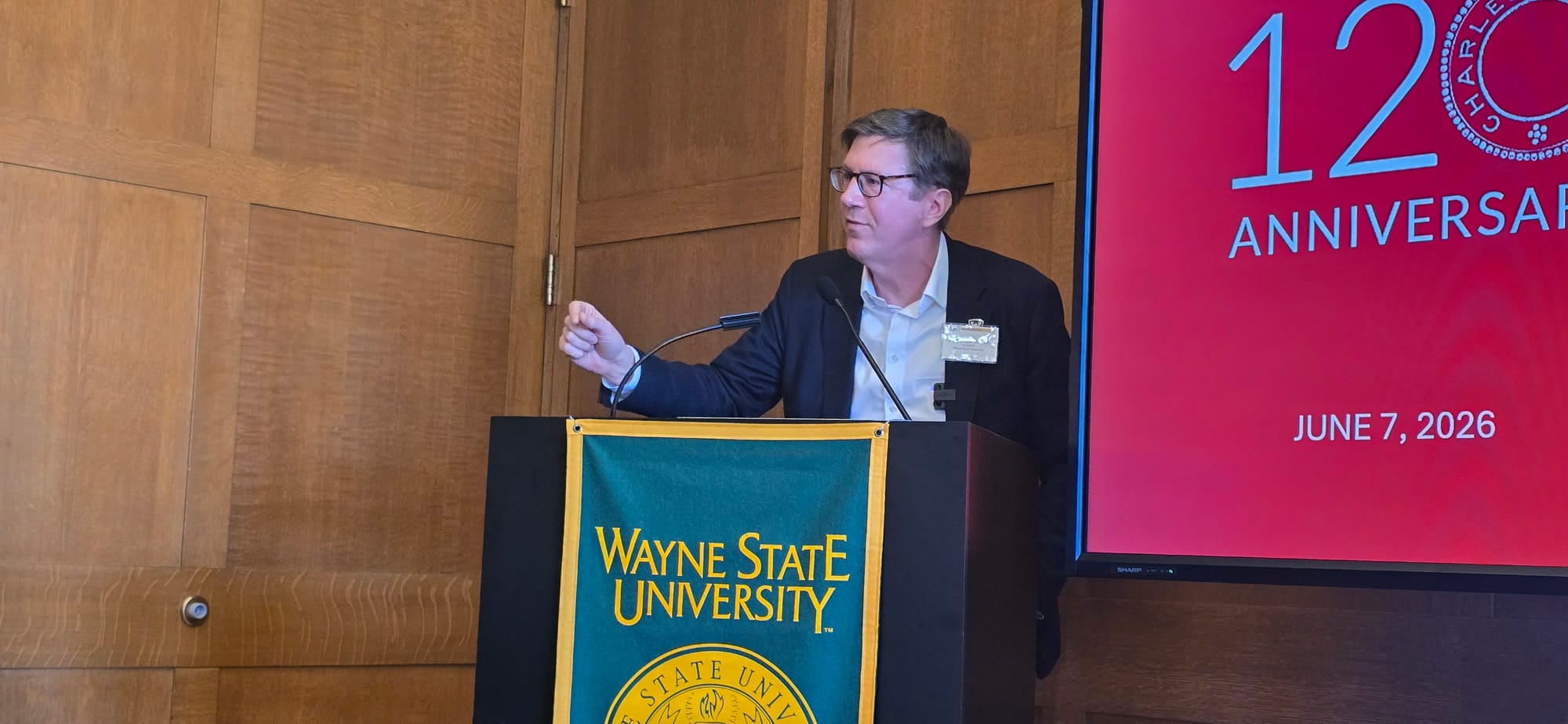
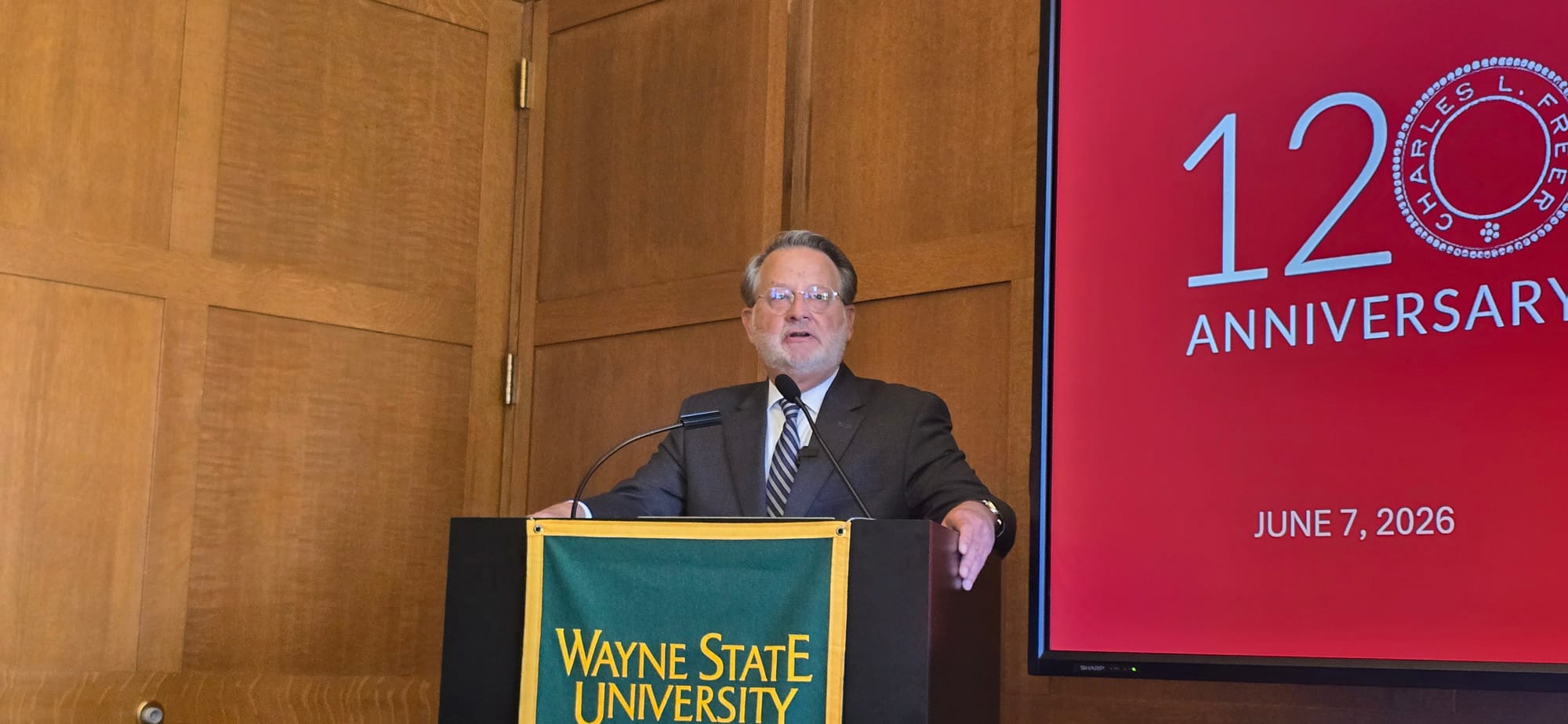
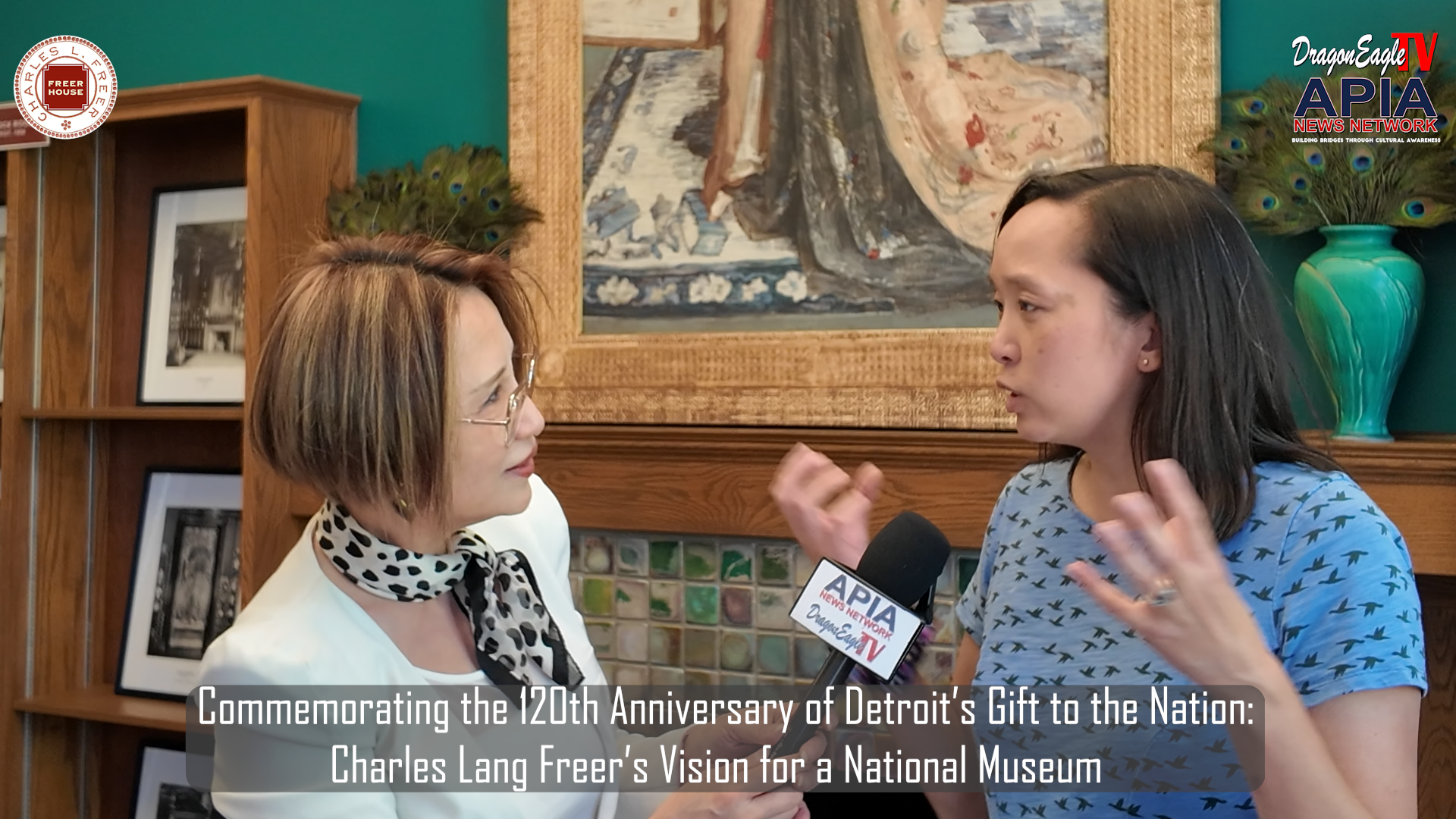
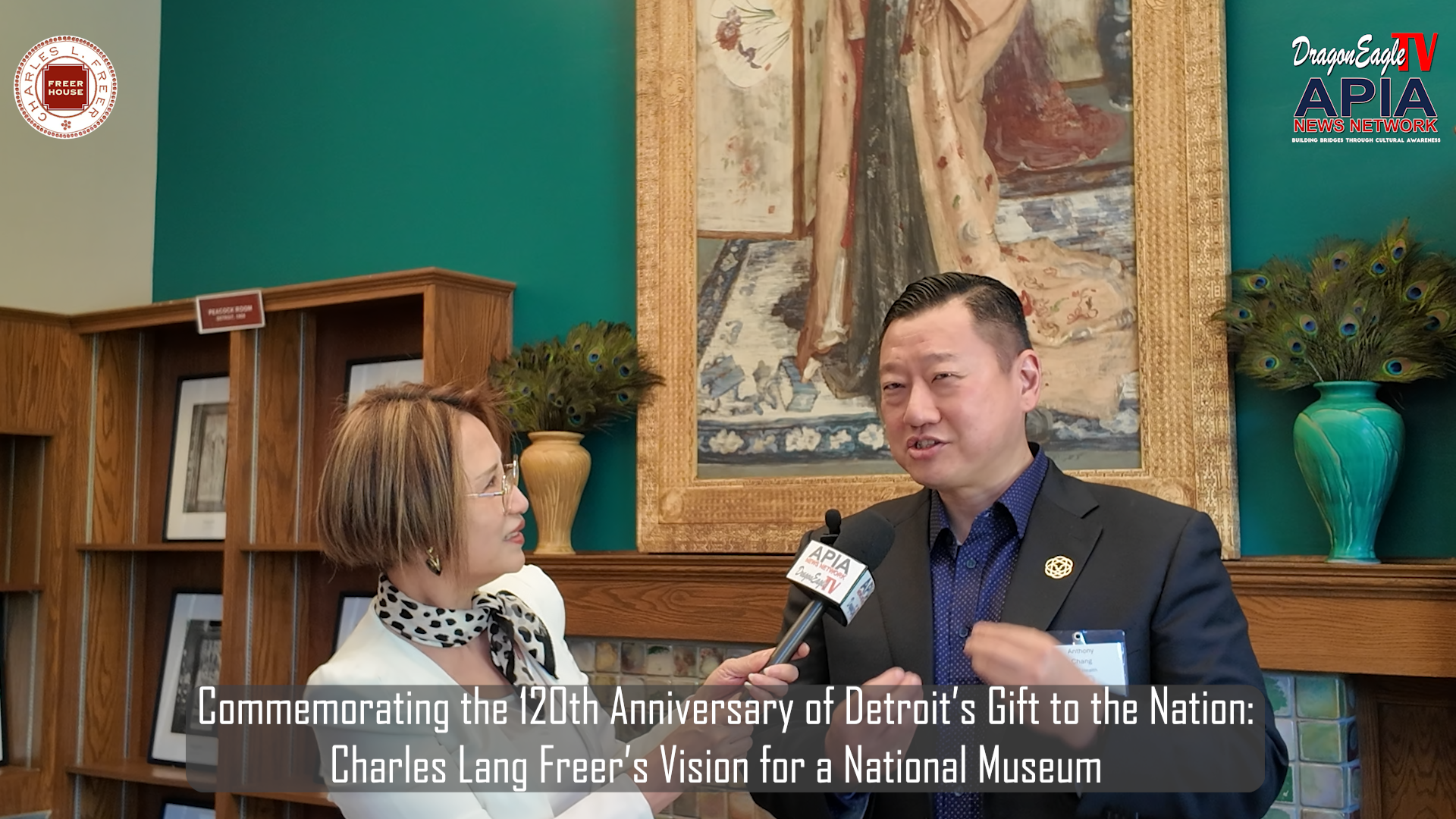
It is fascinating to see the 120th anniversary of Freer’s gift being honored, especially given how his Detroit roots directly shaped the "National Mall’s" cultural landscape. His transition from a railroad industrialist to a global art visionary at just 45 years old is a classic example of a Gilded Age pivot toward legacy.
Here is a report exploring his historic donation, his deep-rooted connection to Chinese heritage, and his unique stance during a period of intense American xenophobia.
A Visionary Legacy: Charles Lang Freer’s Gift and His Defense of East Culture
The 120th anniversary of Charles Lang Freer’s donation to the Smithsonian Institution marks more than just the birth of the National Museum of Asian Art; it commemorates a moment when an American industrialist challenged the prevailing prejudices of his time to bridge the gap between East and West.
The Historic 1906 Bequest
In 1906, Charles Lang Freer made history by becoming the first American to bequeath a private art collection to the nation. This was not merely a transfer of property but a radical act of philanthropy. Freer provided the collection, the funds to construct the gallery, and an endowment for future research. His Detroit residence on Ferry Street served as the "laboratory" for this vision, where he meticulously curated a collection of Asian, American, and Middle Eastern masterpieces.
Freer’s Connection to China
While many of his contemporaries viewed China through the lens of trade or "exoticism," Freer sought a deeper, scholarly understanding. Between 1895 and 1911, he traveled to China four times, venturing into the interior to visit ancient Buddhist grottoes and archaeological sites.
- Philosophical Appreciation: Freer believed that "points of contact" existed between all great works of art. He famously paired the tonalist paintings of James McNeill Whistler with ancient Chinese landscapes, arguing they shared a universal aesthetic truth.
- Preservationist Spirit: His visits to sites like the Longmen Grottoes fueled his desire to document and preserve Chinese heritage at a time when China was facing significant political upheaval.
Advocacy Against the Chinese Exclusion Act
Perhaps the most overlooked aspect of Freer’s legacy is his quiet but firm resistance to the Chinese Exclusion Act. During a period of "Yellow Peril" rhetoric, Freer used his influence and collection to humanize Chinese culture to the American public.
1. Cultural Diplomacy: By donating thousands of Chinese artifacts to the Smithsonian, Freer forced the United States government to become the literal "custodian" of the very culture it was legally excluding through immigration bans.
2. Intellectual Protest: Freer frequently corresponded with scholars and diplomats, advocating for a more sophisticated understanding of Chinese civilization. He believed that by showcasing the "high culture" of China, he could undermine the racist stereotypes used to justify the Exclusion Act.
3. A National Prototype: He envisioned his museum as a place where Americans could study the "greatness of the East," fostering a level of respect that stood in direct opposition to the discriminatory laws of the early 20th century.
Conclusion: The Freer House as a Multicultural Landmark
Today, the Freer House in Detroit stands as a testament to this bridge-building. It reminds us that Freer’s vision was not just about the past, but about a future where art could serve as a unifying force, transcending the borders and biases of the day.
Watch: Interview with William Colburn Director, Freer House
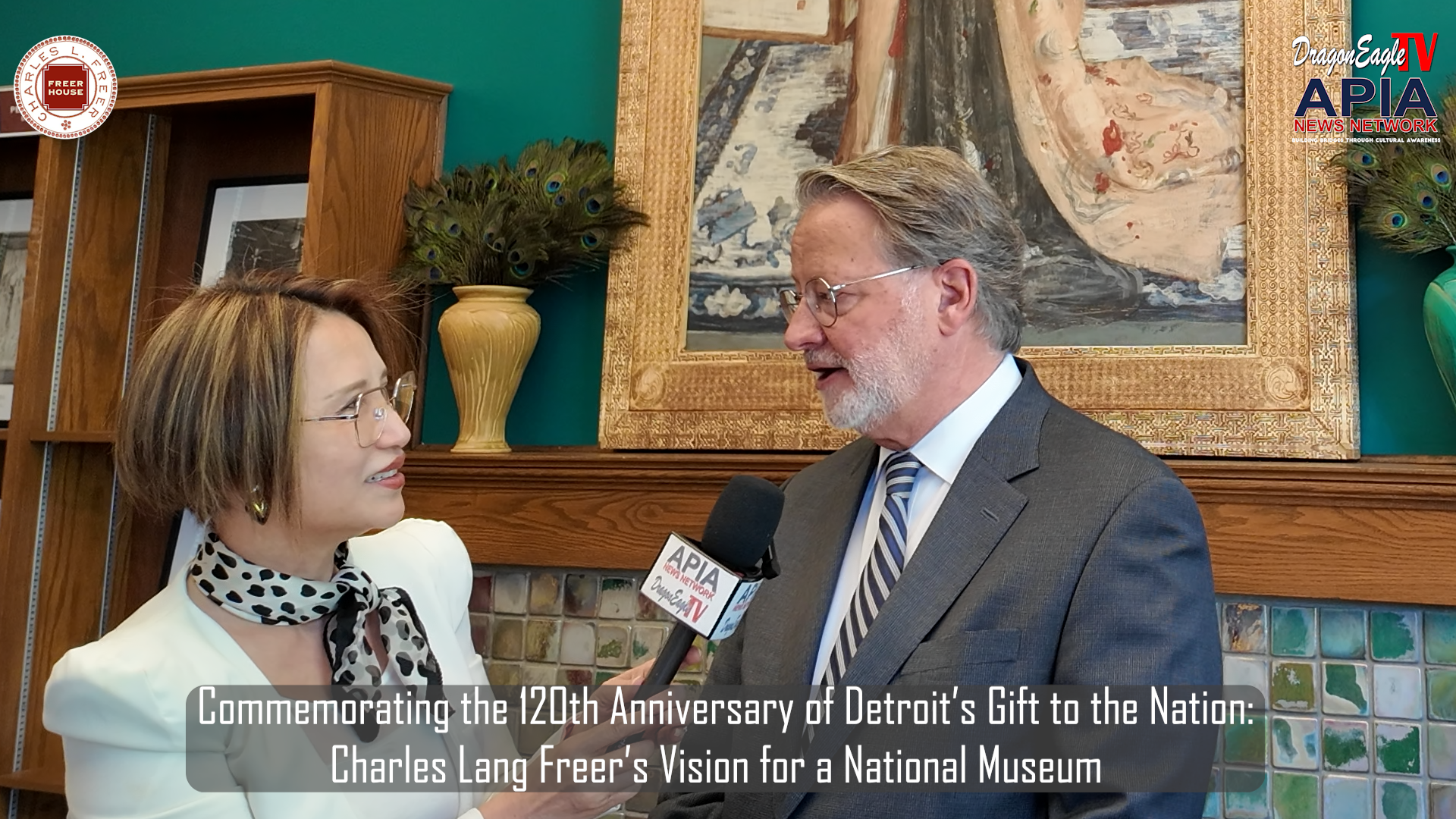
Watch: Interview with Senator Gary Peters
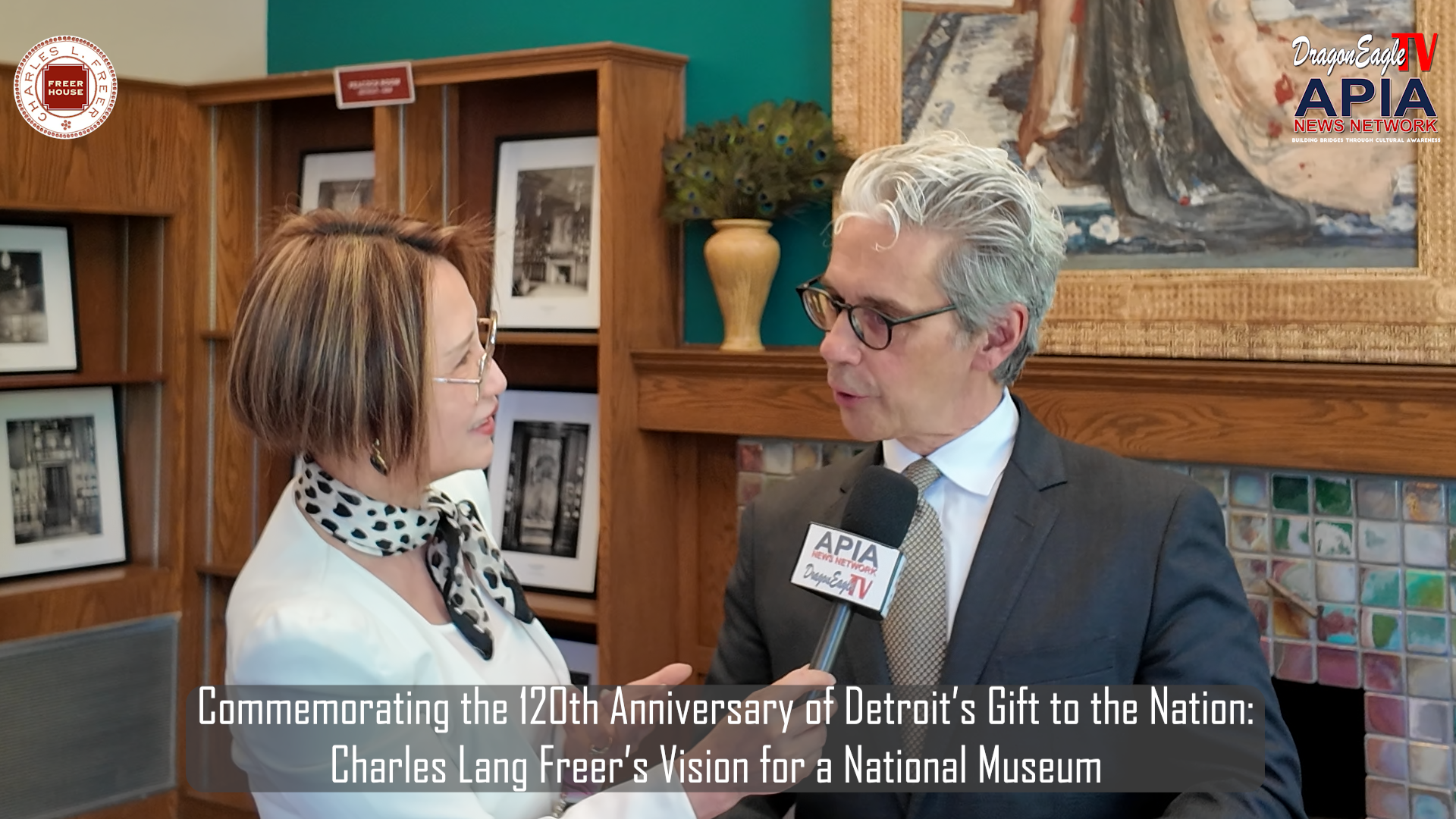
Watch: Interview with Dr. Chase Robinson
Watch: Interview with Senator Stephanie Chang
Watch: Interview with CEO of BAMF Health, Dr. Anthony Chang
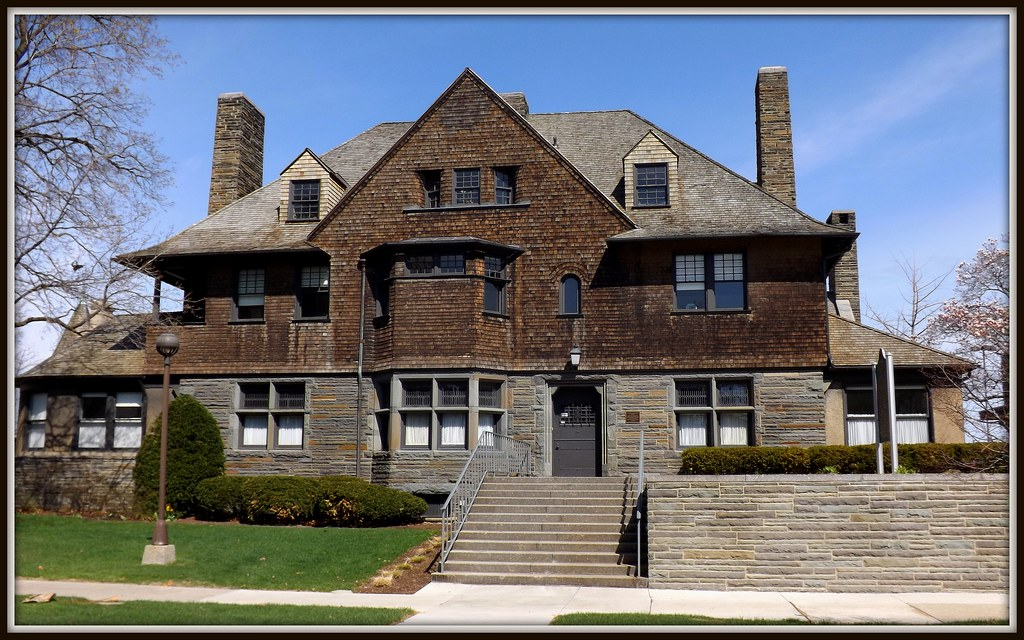
On June 27, as part of America 250, the National Museum of Asian Art is opening its year-long exhibition, A Museum in the Making, recognizing Detroit's historic Freer House as the original Freer Gallery of Art and highlighting its influence upon the museum's design and development in Washington, DC.
💡
Support by joining as a Freer House member
Please consider becoming a Freer House member, renewing your current membership, or making an added gift to support the preservation projects and education programs.